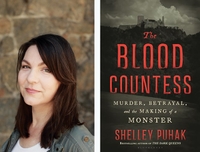
The Blood Countess: Murder, Betrayal, and the Making of a Monster
Shelley Puhak. Bloomsbury, $32.99 (320p) ISBN 978-1-63973-215-9
This striking account from poet and historian Puhak (The Dark Queens) separates the true story of Hungarian noblewoman Elizabeth Bathory from her blood-soaked mythology. For centuries, Bathory (1560–1614) has featured in popular folklore as a vampiric figure, a result of the gruesome crime she was imprisoned for in 1610—the torture and murder of 650 women—as well as embellishments added in later written accounts of her supposed exploits, such as that she bathed in virgins’ blood. Scouring the archives, Puhak instead finds Bathory, an outspoken widow from an influential family, to have been betrayed via “a remarkably successful disinformation campaign” by male religious leaders and fellow nobles, including her own in-laws, who sought to usurp her power. The author meticulously refutes the charges against Bathory, including the list of 650 victims (likely cribbed from “a popular true-crime story”) and the term “carnifex” applied to her in letters between two Lutheran pastors, which probably meant “someone who was not fasting properly” rather than “butcher” as her detractors asserted. The author also intriguingly hypothesizes that the accusations willfully misconstrued women’s medical care as evil. Bathory, she suggests, employed female herbalists who used “plant-based medicine” to treat local women’s ailments; thus, alleged torture victims being “rolled in nettles” were actually patients being treated for “inflammatory conditions.” It’s a stunning feminist reconsideration of one of history’s most reviled villainesses. (Feb.)
Details
Reviewed on: 11/17/2025
Genre: Nonfiction