What makes a Christian novel “Christian?" Does it still count if it is published by a general market imprint? What if the story reflects Christian values while making no mention of Christ or any other religious language?
When PW asked publishers, authors, and agents if these questions matter in the marketplace, the answers varied.
Harper Muse, an imprint of HarperCollins Focus, published its first “clean” novels in 2021 and continues its popular line with historical, women’s, and Southern fiction. Clean fiction is described as wholesome novels written from a faith-based worldview—minus overtly religious themes—that offer entertaining storylines without the course language, eroticism, or violence that may be found in general market fiction.
Last year, Baker Publishing Group announced its new general market imprint, Haven, which also taps into the clean trend; its inaugural list, featuring exclusively Christian authors, publishes this year. The first Haven release is Even After This (Feb.), a contemporary romance about a widow’s second chance at love by Deborah Clack, followed by Chelsea Bobulski’s A Deal with a Debutante (Apr.), a historical rom-com set during the Edwardian era.
Both publishing houses take the stance that overtly religious language is not the only way authors can express values that will resonate with readers of any faith, or none.
Christian values minus Christian language
Jessica Sharpe, senior acquisitions editor for Haven, told PW that, through market research, “we know there is a healthy market out there for this kind of fiction. We’ve seen some authors recognize there’s a substantial readership seeking clean and wholesome romance that aligns with their values, and they’re excited to write for that audience.”
Tamela Hancock Murray at the Steve Laube Agency, which represents many Christian novelists, including Deborah Clack, sees the shift as primarily publisher-driven.
“As opportunities to write ‘clean’ fiction increase, I would expect the number of authors hoping to enter that space to increase,” Hancock Murray said. “Publishers want to reach the most readers with quality books that sell quickly. Reaching readers who enjoy stories written from a Christian worldview but not sharing the salvation message is one way to increase readership.”
Katherine Reay published six books with the evangelical Christian-centered publisher Thomas Nelson before moving to Harper Muse. She believes the market for clean fiction is growing because "the world can feel a little dark and chaotic at times, and there is something appealing about the idea of a more innocent romance and leaving a few things to the imagination.”
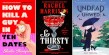
The first of her four books with Muse, The London House, came out in 2021, and the newest one, The Undercover Bookshop, releases in October. "Perhaps the old barriers between the markets are dissolving,” Reay said. “I sense from social media that there is a more personal connection with the author directly these days rather than with the imprint that publishes them.”
Faith-forward still matters to many
Others, such as Janet Kobobel Grant of Books & Such Literary Management, say the distinction between faith-forward books and general market ones written by Christians still matters to many of the Christian writers that Books & Such represents, including Lauraine Snelling, Julie Klassen, and Gabrielle Meyer.
“These new imprints haven’t been enticing to our clients because we have so many established writers who enjoy expressing what authentic faith looks like in their characters’ lives,” Kobobel Grant said. “A number of clients believe they are called specifically to write faith-oriented novels."
Tyndale Fiction’s associate publisher for fiction Stephanie Broene said that the house doesn’t publish novels that aren’t overtly Christian, but “the amount of spiritual content on the page has broadened out and is different for each author. In the best instances, faith themes are a natural part of a gripping and compelling story because that is the lens through which our authors view life.”
Broene points to using Instagram and TikTok, plus promoting with help from influencers with connections in the Christian and general market spaces, to find reach new readers: “We’ve found this to be successful, particularly in the romance category where readers are willing to pick up a book with light faith themes because they want stories that are fun and entertaining but without spicier content.”