Karan Mahajan’s third novel, The Complex (Viking), blends a domestic drama with a story of immigration and Indian political upheaval. In 1980, Sachin Chopra, the grandson of a late Indian politician, attempts a fresh start with his wife, Gita, in Michigan, while she longs to return to her native Delhi. During a visit there, she’s sexually assaulted by Sachin’s uncle, Laxman. Later in the decade, Laxman is courted by the ascendant far-right Bhartiya Janata Party. The author, a finalist for the National Book Award, proves himself a consummate storyteller with this immersive and character-driven novel.
For years I have lived—mentally, physically—between India, where I grew up, and the U.S., where I work, and I wanted to write a novel that captured this duality, the way in which immigrants can become suspended between worlds. In my new novel, The Complex, I dramatize this state through a character named Gita Chopra, a woman in her late 20s from Delhi who has followed her engineer husband to the U.S., but longs more than anything to return to her hometown. Yet because of sexual shame, and because she is dealing with infertility, she feels cast out of her home as well, and must contend with the judgment of her husband’s large family, which lives in a single compound in Delhi—the “complex” of the title.
As I wrote Gita—a middle-class Indian woman who came of age in the 1970s—I realized that, as a cis man, I had a limited understanding of how women experience their own bodies. And so, during a fellowship from 2018 to 2019 at the New York Public Library’s Cullman Center for Scholars and Writers, I read widely, trying to immerse myself in women’s subjectivity, particularly around topics like pregnancy, infertility, and abortion. I know my attempt at “research” was doomed from the start—there is only so far you can go—but then I have always thought of “research” as the main reason to write a book. Even if a book fails, one has learned so much!
Here are some books that stayed with me:
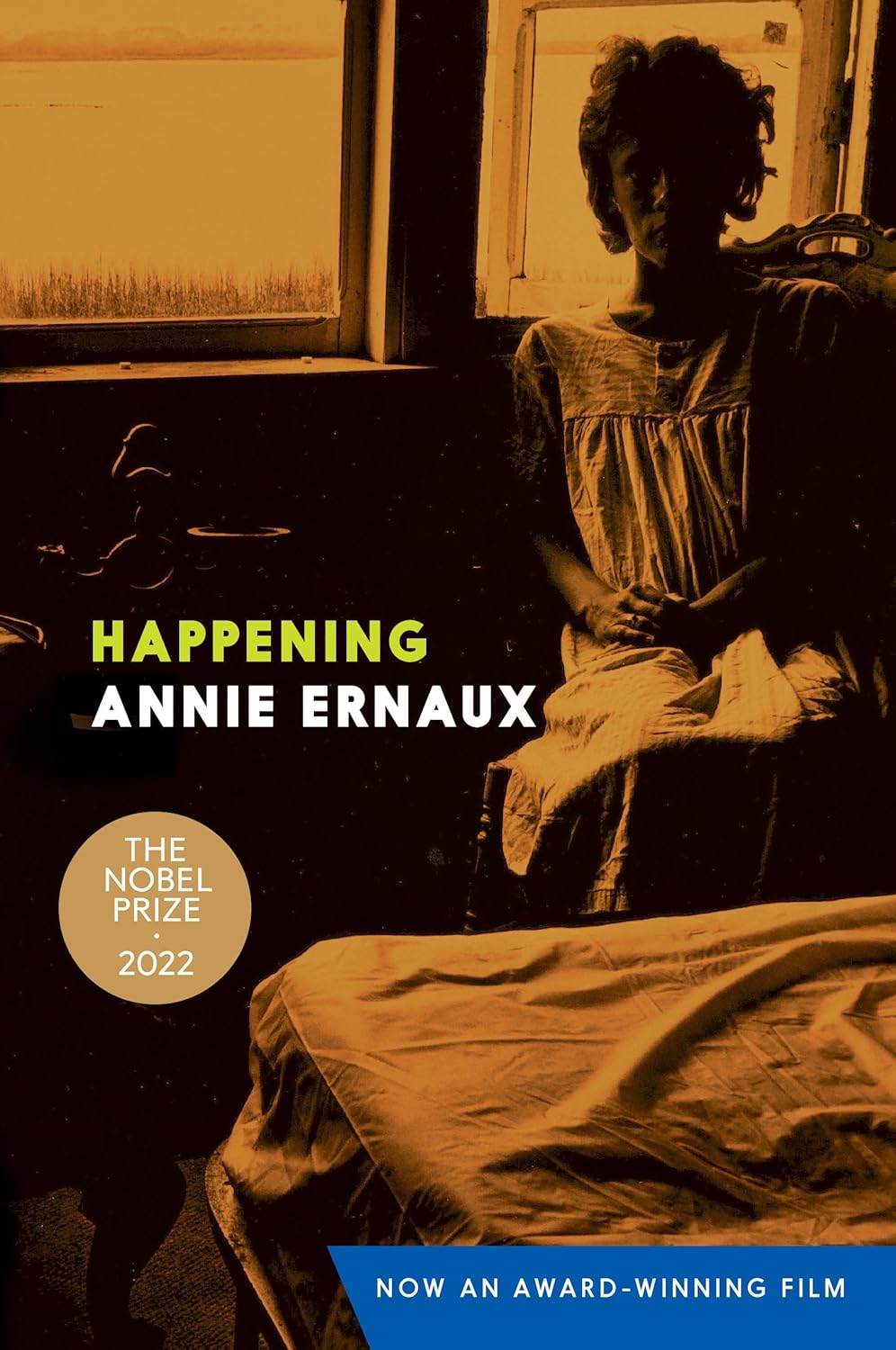
Happening
Candid, direct, and suspenseful, this memoir by Nobel Prize winner Annie Ernaux chronicles the tense months leading up to an illegal abortion she underwent in 1963, at the age of 23. The details of the abortion are harrowing—I’ll never forget the image of the fetus swathed in a “melba toast wrapper” or how, when she is taken to a hospital for bleeding, a medical intern shouts down Ernaux’s questions with the statement, "I'm no fucking plumber.” Yet the book is never self-pitying and becomes an affecting meditation on class, how the body is turned into writing, and how difficult it is to commune with an old memory. The book was written 40 years after the event. I read it in two hours.
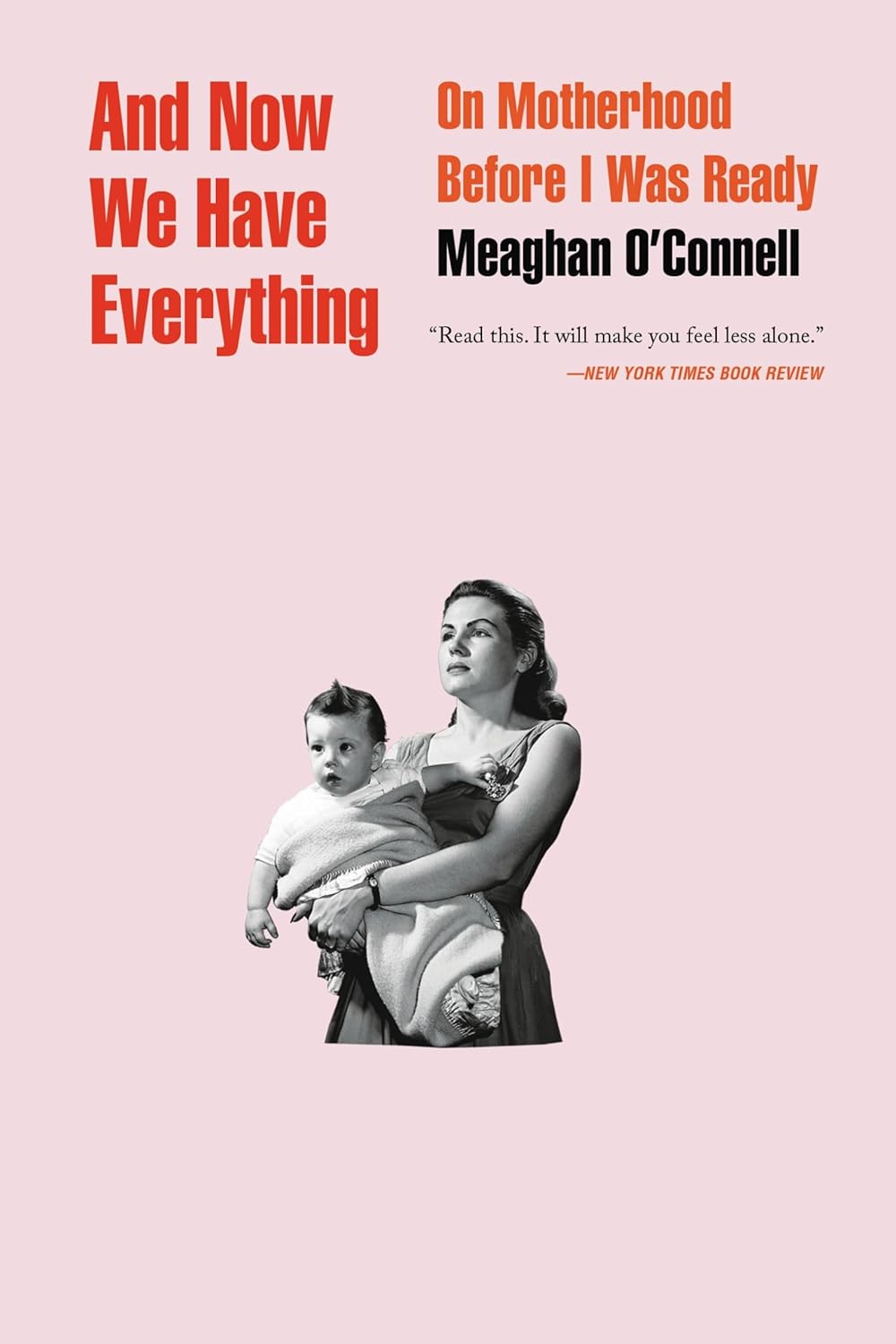
And Now We Have Everything: On Motherhood Before I Was Ready
This memoir is the Diary of a Very Bad Pregnancy or of undiagnosed postpartum depression. Meaghan O’Connell is a snappy, visceral writer, and I felt I was with her during her harrowing 24-hour-plus labor. One watches with horror as O’Connell’s innocence about pregnancy—her desire for a natural birth without an epidural, for example—falls away as the pain mounts. The book is honest about the repetitive arduousness of being a parent and of the fundamental falseness of much modern-day parenting advice, which guilts mothers for not enjoying breastfeeding, for example. In her memoir, O’Connell also describes the paradox of feeling like an incompetent parent compared to her husband—even though she is the one the baby is physically dependent on. In short, this is a vital description of the first year of motherhood as a kind of terrible hazing ritual before life with a baby evens out and expands out into a more manageable (and even joyful!) experience.
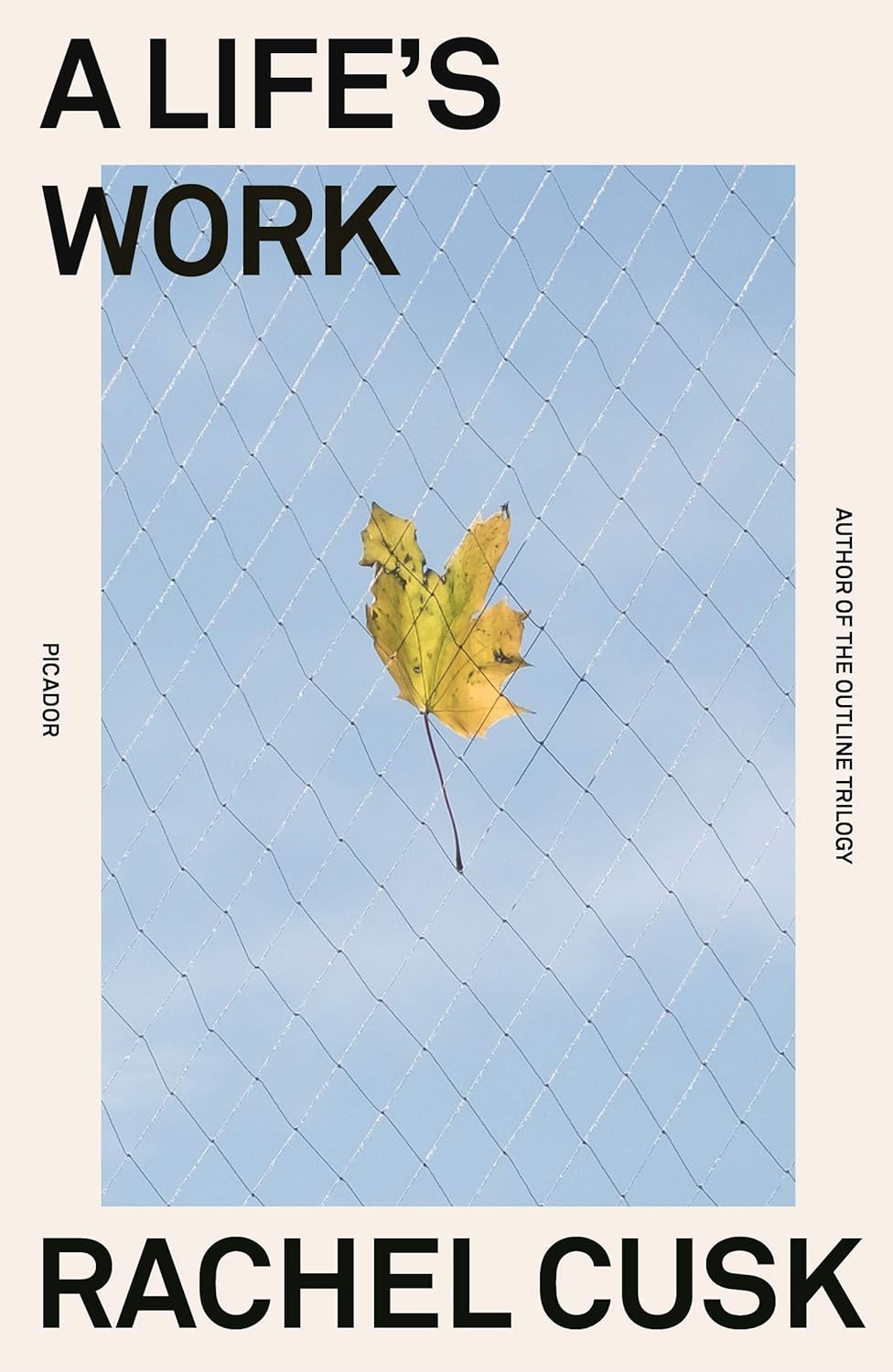
A Life's Work: On Becoming a Mother
So good! I love Rachel Cusk’s sharp, somewhat frenzied style in this memoir of motherhood, with its constant war and bomb metaphors (Cusk doesn't just prepare formula; she lays out the bottles like “someone preparing to assemble a bomb" and so on). There are no real characters in this book—we don't know the father or the baby—but it sings along on jittery energy and Cusk’s waspish voice. One-liners abound: “My daughter quickly comes to replace me as the primary object of my care”; “She knows how to suck better than I know how to be sucked.” Cusk notes that the terror on her newborn daughter’s face after Cusk shouts at her “is the first frankly emotional look she has given me in her life."
I can’t quite understand why Cusk was attacked in Britain for the not-quite-earth-shattering revelation that a baby can hijack one’s brain, but then literary Brits are horrible to each other. Go Cusk!
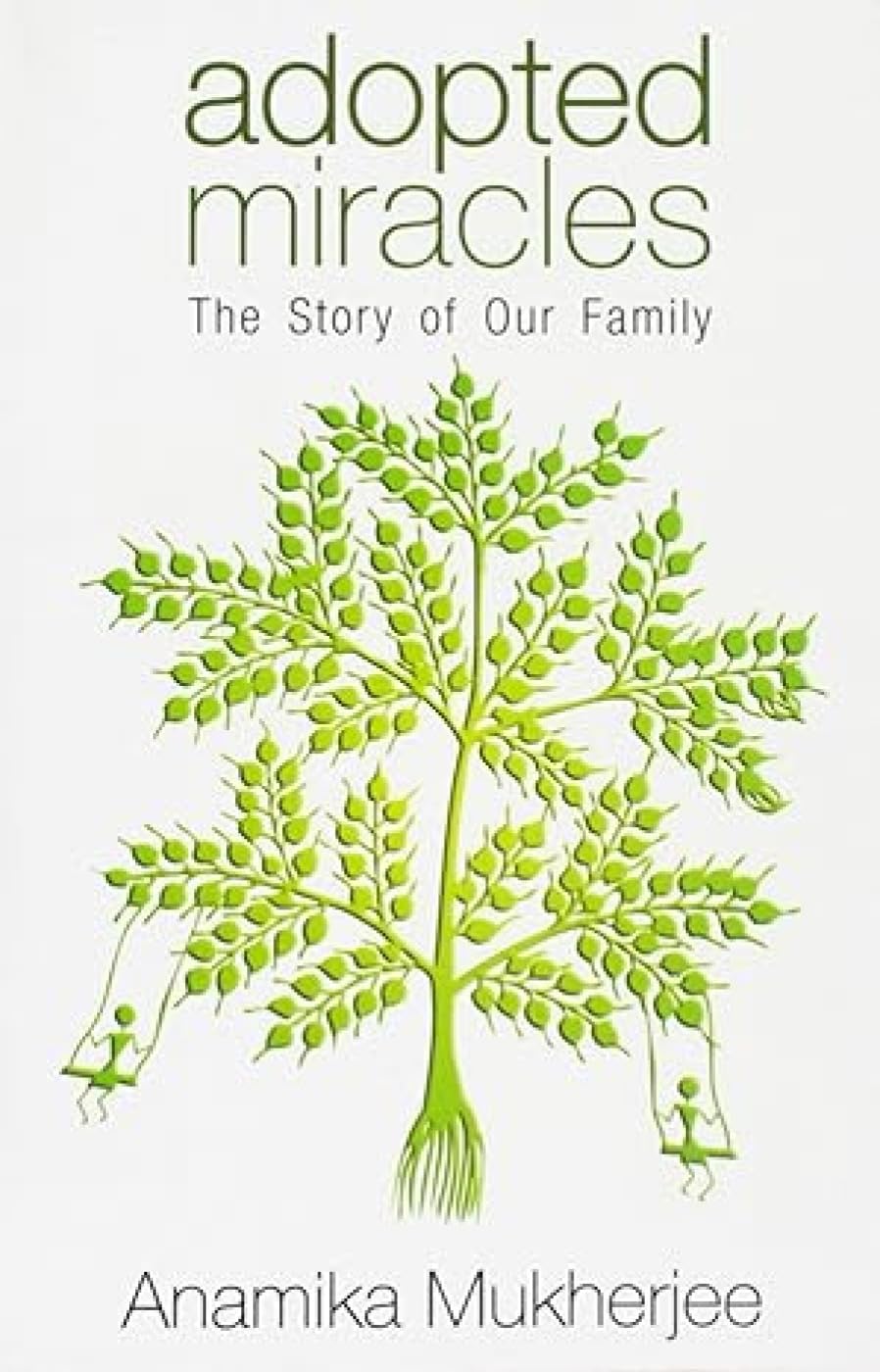
Adopted Miracles: The Story of Our Family
Honesty is the quality I value most in literature; and it is particularly difficult for memoirists to achieve in India, where the pressure to conform socially and to protect the family name at all costs is so high. This is why Anamika Mukherjee’s painful, vulnerable—and yes—honest book about dealing with infertility in India and then going through the onerous process of adopting is such a crucial text. She is particularly acute on the psychology of feeling damaged. Looking at a cow, she thinks, “Even that stupid, brainless, grass-eating bovine can get pregnant, only I can’t. I’m useless. I’m not worth anything at all. What good is my money, my education, my intelligence? I’m not even a fully functional woman.” What a devastating thought—one that is proven untrue over and over by this brave book and the account she has created to help others in similar situations in India.
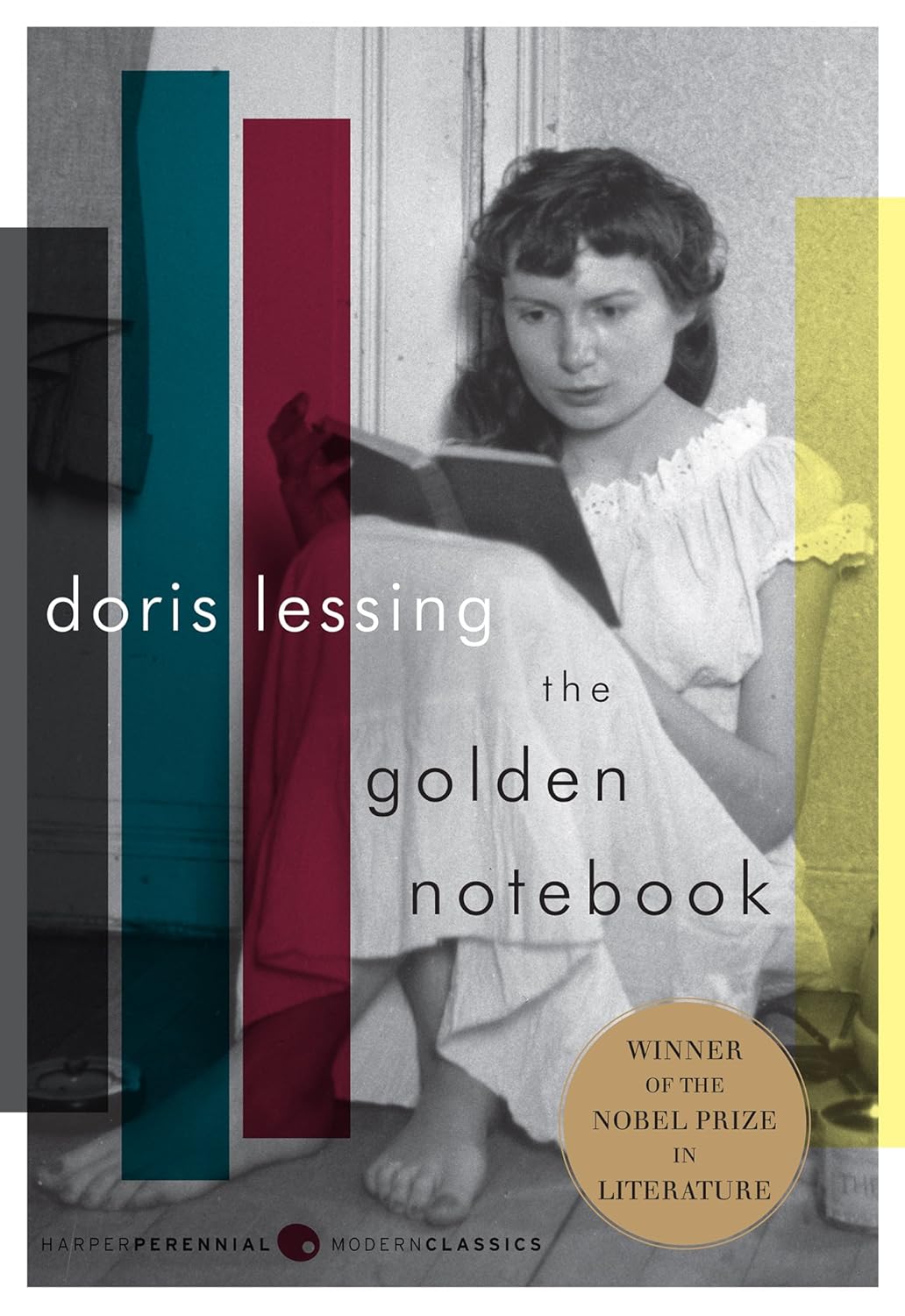
The Golden Notebook
One of the best books I've read, The Golden Notebook is the story of a single, politically-active woman—a novelist named Anna—in 1960s London who is trying to make meaning in the intellectual void left by the crackup of British Communism. This classic novel takes us through Anna’s friendships, affairs, single parenthood, political organizing, disheartening meetings with film execs, therapy sessions, and even the writing of a novel-within-a-novel. Lessing creates the effect that nothing has been left out, though this too is part of the book’s artifice. It’s a superb catalogue of changing moods in a relationship and the differences in the way men and women approached the so-called sexual liberation of the 1960s.
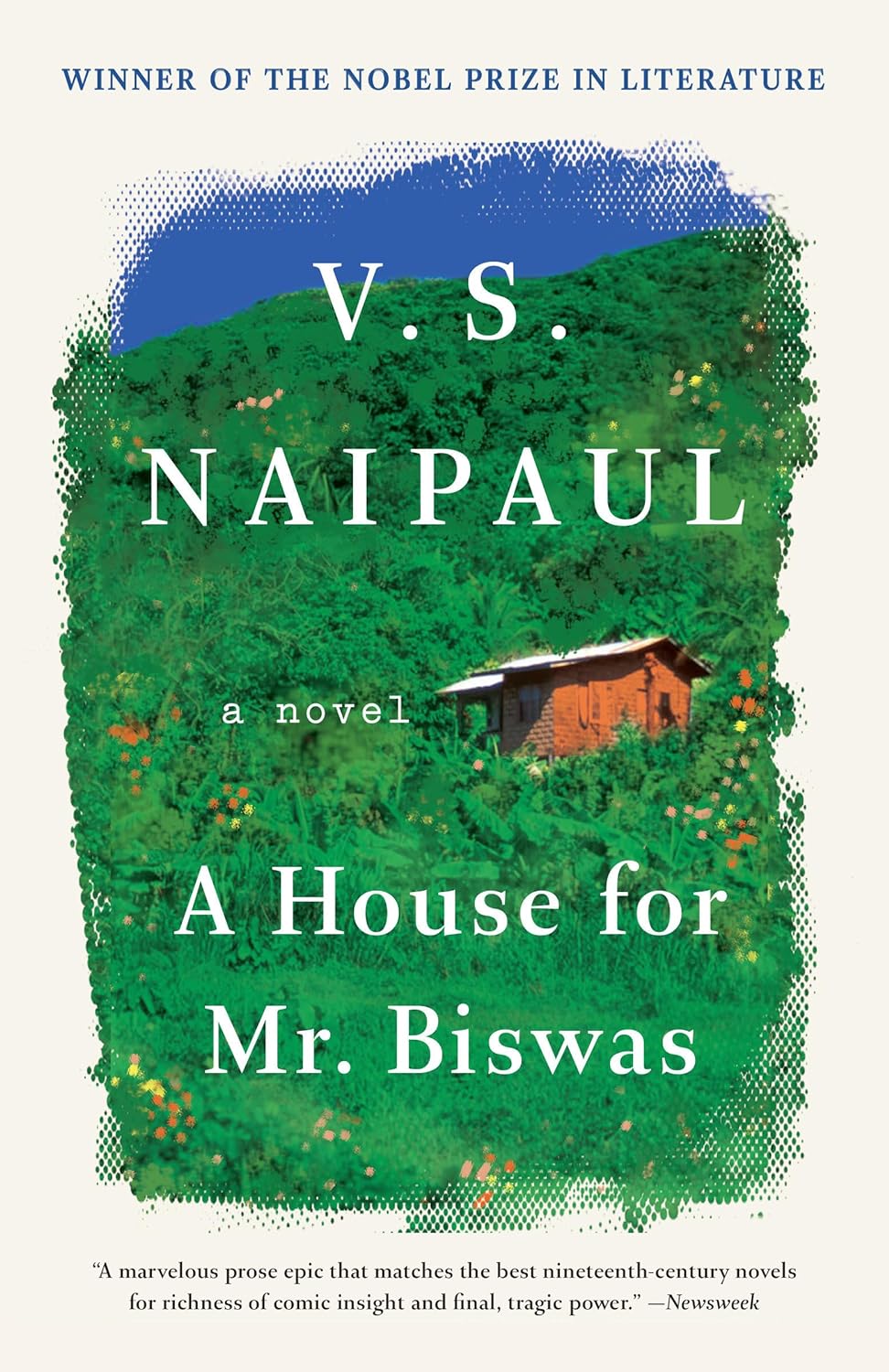
A House for Mr. Biswas
OK, I didn’t read Naipaul to understand women, but nevertheless this is one of the greatest books about joint family life and the role of both men and women within that oppressive structure. It tells the story of a poor Trinidadian Indian man striving to break free from his wife’s richer extended family and make a place for himself in the world. It was my second reading of this novel, and I couldn't wait to get to it every evening. This time, I was struck by the novel’s convincing portrayal of an arranged marriage where there is little intimacy but growing tolerance, even respect, between husband and wife. Every character is depicted lovingly—yes, even the women—and I admired afresh the way the book never overbakes or overdoes the drama. Time passes; people come together and come apart; houses are built and houses are abandoned; children grow up; marriages fray. But what makes this book a classic of postcolonial literature is that, paradoxically, it offers no telegraphed opinions about colonialism or exile. It operates on a personal rather than civilizational level, and though it perhaps never gets as close to its comic characters as, say, Leo Tolstoy or Thomas Mann, this is easily compensated by Naipaul’s compassion, his wide camera lens, and the sense of sadness we feel for the smallness of Biswas's life. How Naipaul wrote this at 29 is beyond me.